-
 ARA-290 and Erythropoietin-Derived Peptides: Why Receptor Names Need Evidence Labels
Read ARA-290 studies by separating peptide identity, receptor-component expression, functional signaling, direct binding, and unresolved receptor-complex questions.
-
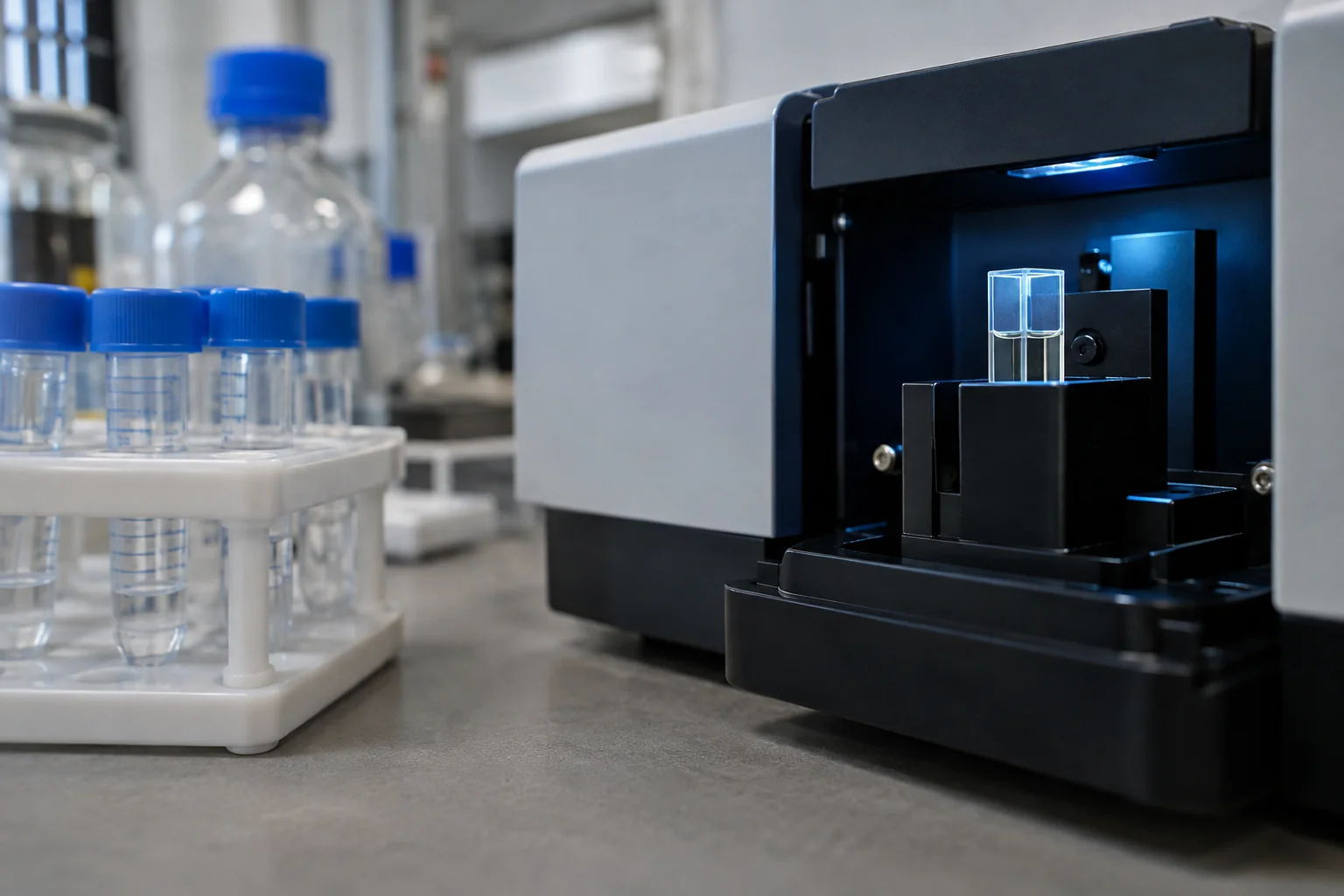
Oxytocin LC-MS Studies: Why Sample Preparation Is Part of the Result
Learn how extraction recovery, adsorption, matrix effects, calibration, and sample handling shape the interpretation of oxytocin LC-MS results.
-
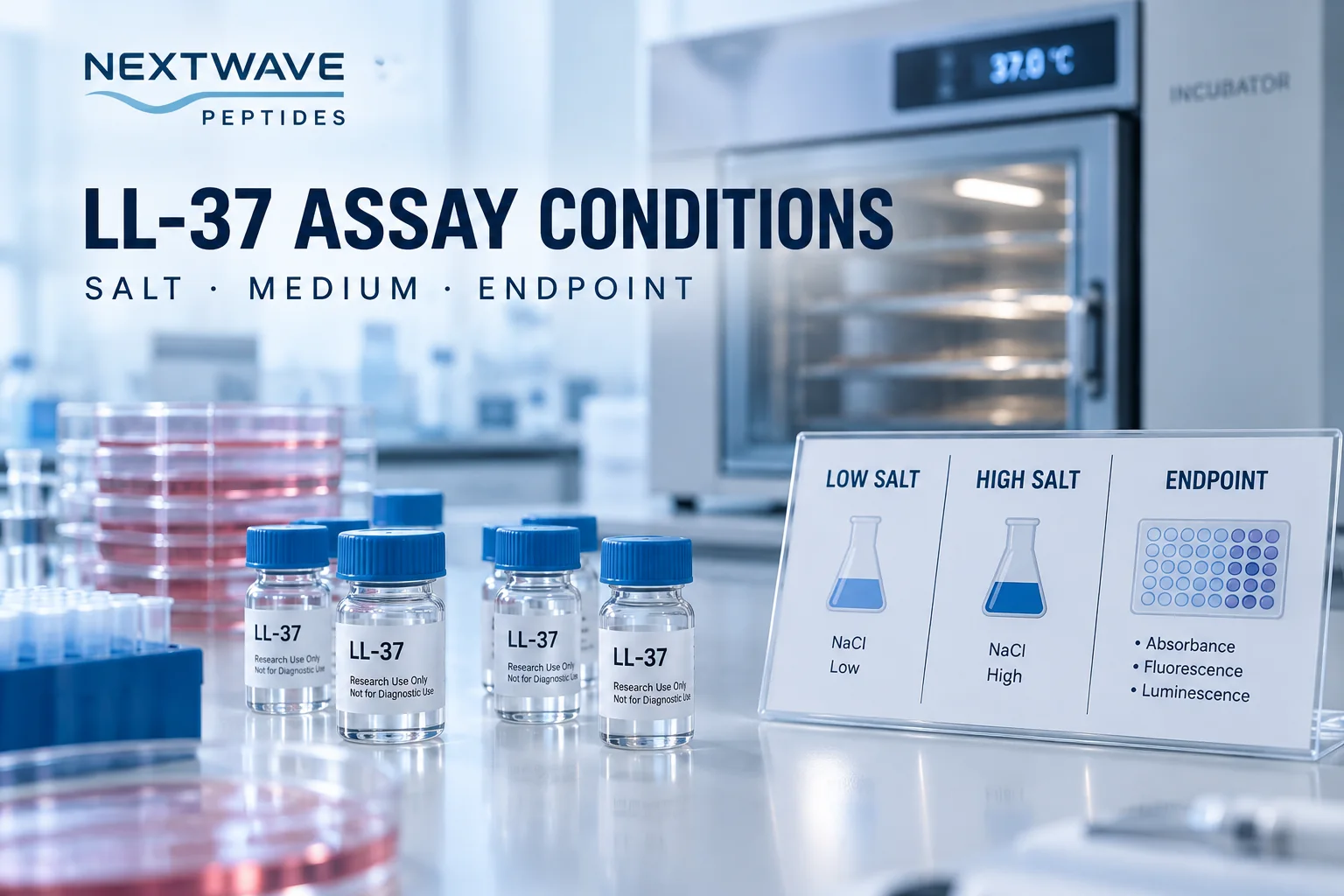
LL-37 Antimicrobial Assays: Why Salt, Medium, and Endpoint Change the Reading
Learn why LL-37 antimicrobial results depend on organism, strain, medium, salt, assay endpoint, and the exact peptide material tested.
-
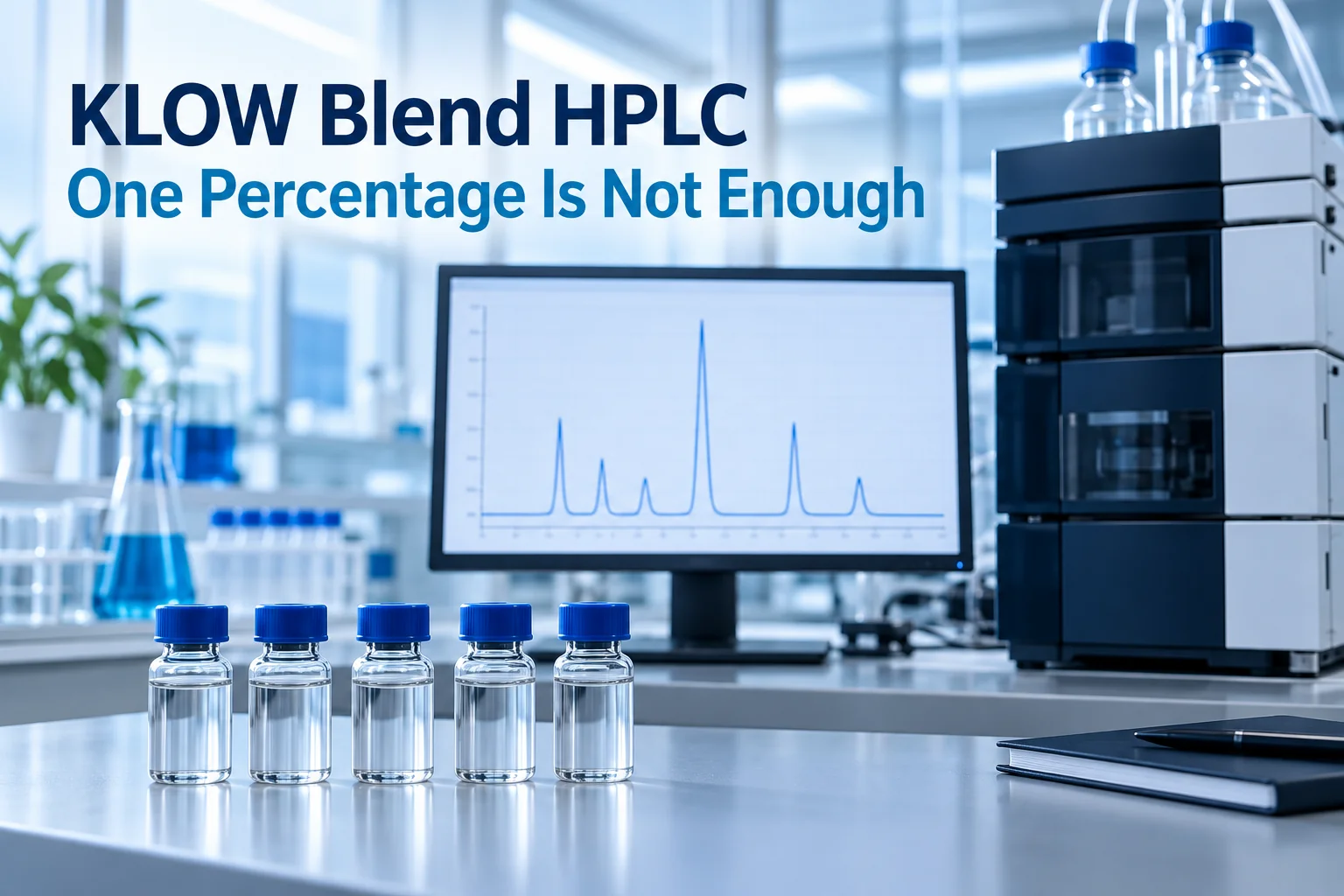
Can One HPLC Purity Percentage Describe a Four-Component Peptide Blend?
Can one HPLC purity result characterize KLOW Blend? Learn how peak assignment, detector response, identity and component amounts shape a defensible conclusion.
-
What Does a Cell Wound-Closure Result Actually Show?
See what cell wound-closure assays measure, why migration and proliferation differ, and why full-length thymosin beta-4 results cannot establish TB-500 effects.
-
Thymosin Alpha-1: Why N-Terminal Acetylation Belongs in the Sequence Record
Learn why N-terminal acetylation is part of a thymosin alpha-1 material record and why sequence length alone is incomplete.
-
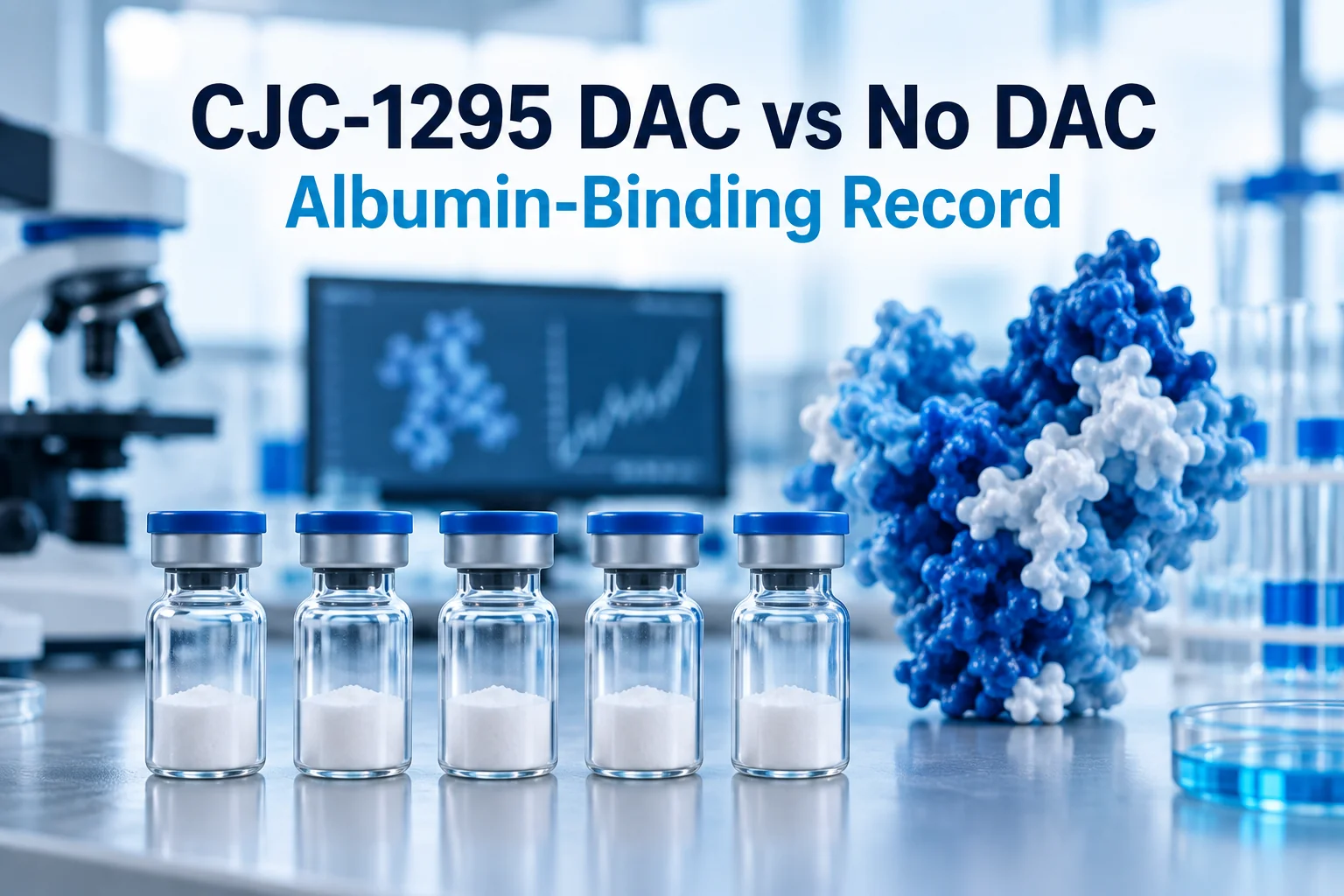
CJC-1295 With DAC vs No DAC: Why the Albumin-Binding Moiety Changes the Record
See why CJC-1295 with DAC and CJC-1295 No DAC must be documented as different materials before comparing research records.
-
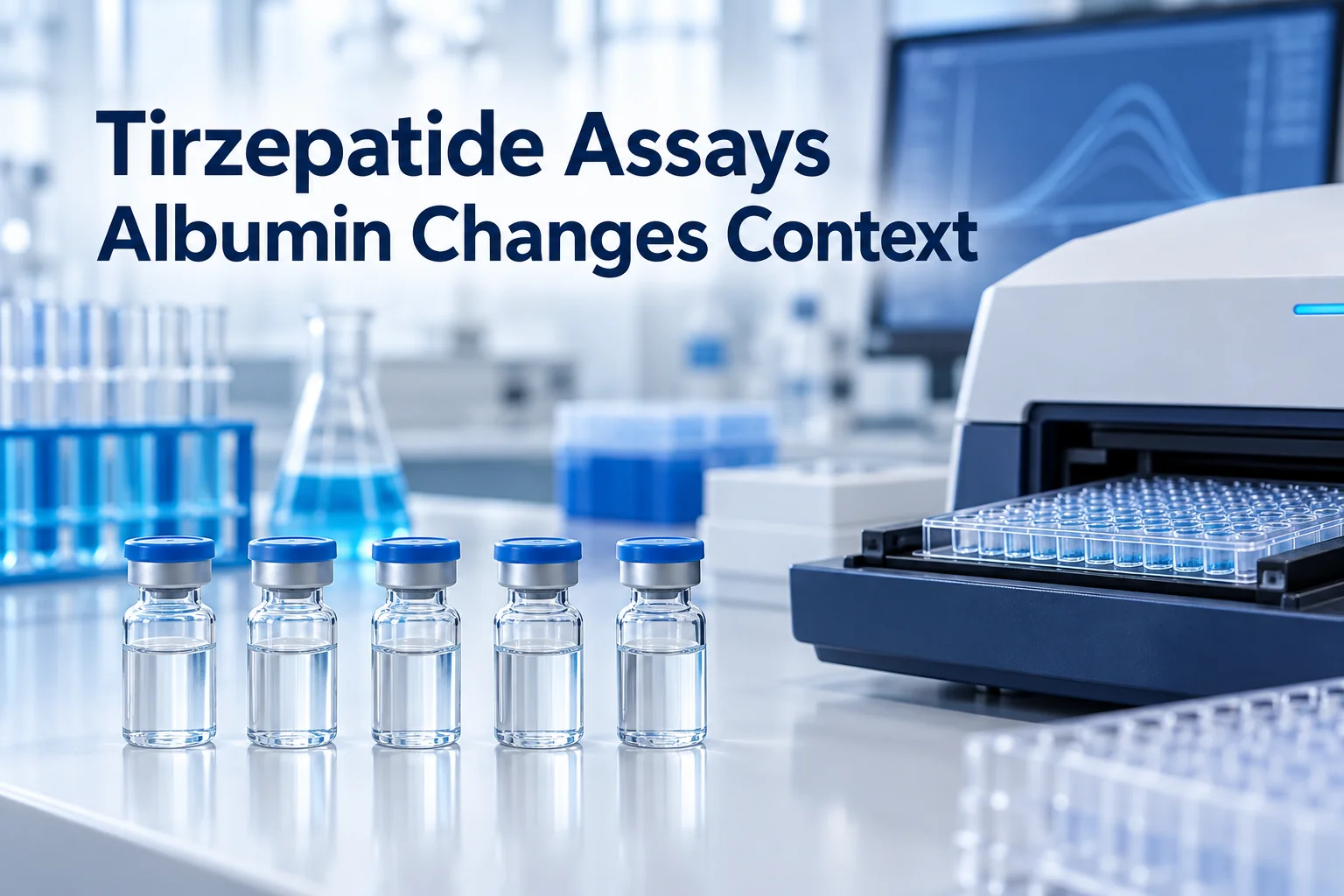
Why Albumin Changes the Meaning of Tirzepatide Potency
Understand how albumin changes the interpretation of tirzepatide potency. Compare concentration, assay conditions and source evidence without ranking products.
-
SS-31 and Cardiolipin: What Membrane Binding Studies Actually Show
Explore SS-31 membrane studies, from cardiolipin and surface charge to electron transfer. Separate binding evidence from antioxidant and respiration claims.
-
Peptide Stereochemistry: Why a Matching Mass Is Not the Whole Identity
Understand why peptide epimers can share a molecular mass, what chromatography and reference standards add, and how to read stereochemical identity claims.
-
Tirzepatide and Semaglutide Structures: What Cryo-EM Can Show
Learn what tirzepatide and semaglutide receptor structures reveal, how to interpret unresolved regions, and why molecular models need supporting experiments.
-
Retatrutide Mouse Studies: Separating Food Intake from Energy Expenditure
Read retatrutide mouse research through food intake, calorimetry, pair-feeding and body composition, with clear limits on what each measurement can establish.