
Why receptor readouts differ
Examine which measurements can support a comparison of Retatrutide, Tirzepatide and Semaglutide.
Receptor assay analysis →NEXTWAVE PEPTIDES / BLOG
The NEXTWAVE PEPTIDES Blog examines specific studies, assay comparisons and disputed interpretations. Each analysis asks what the evidence shows, what it leaves unresolved and which foundational concepts help explain it.
Examine which measurements can support a comparison of Retatrutide, Tirzepatide and Semaglutide.
Receptor assay analysis →Explore the evidence needed to evaluate a claim about a four-component blend.
KLOW Blend synergy analysis →Examine what Semax transcriptome studies can establish and where interpretation stops.
Semax transcriptome analysis → Tesamorelin and GH Pulsatility: Which Readouts Actually Changed?
 MOTS-c Nuclear Translocation: What Localization, AMPK Perturbation, and Chromatin Evidence Each Show
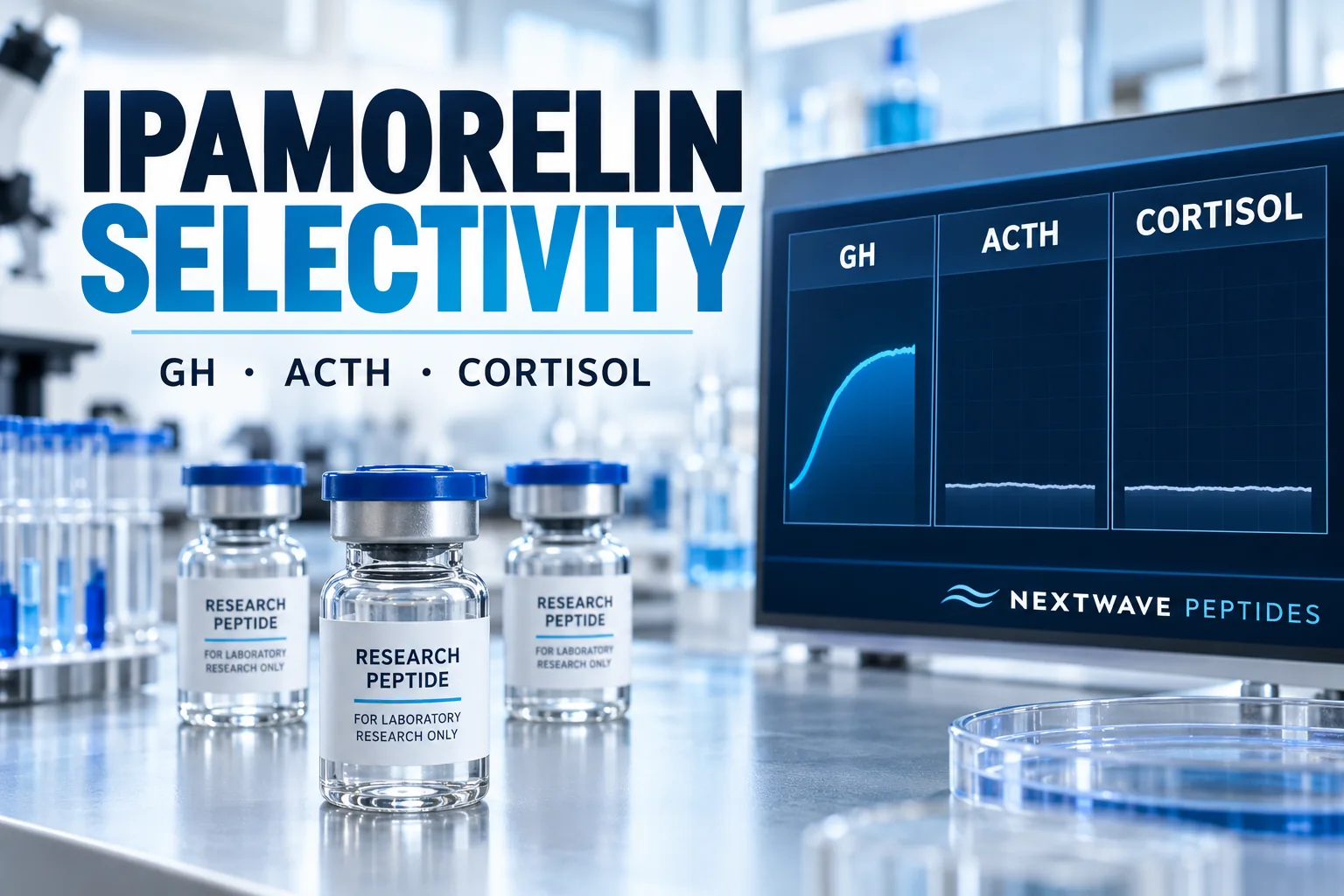 Ipamorelin Selectivity: What Did the Original GH-Release Experiments Actually Show?
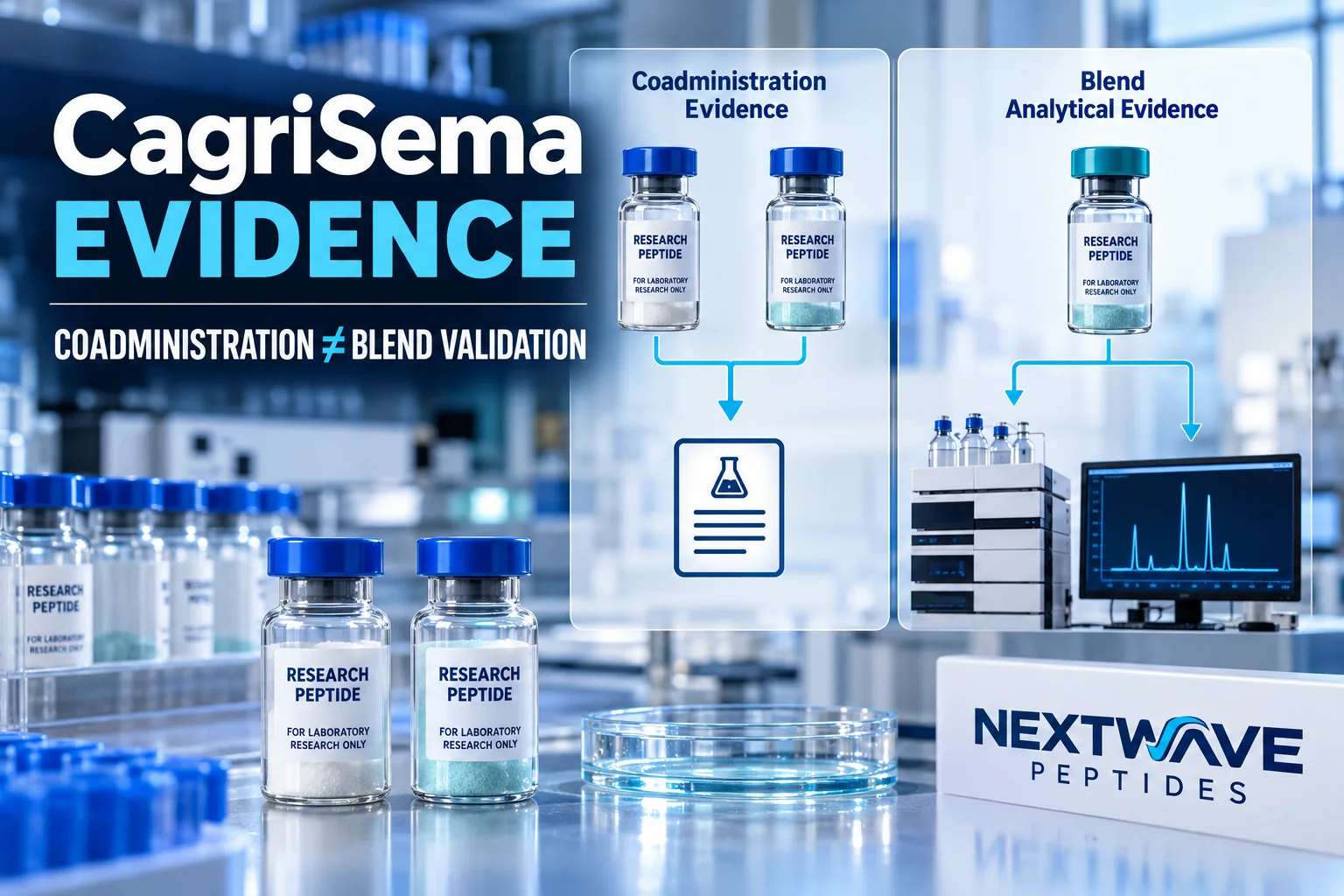 CagriSema Evidence: Why Coadministration Results Do Not Validate Every Premixed Peptide Blend
 PNC-27 Studies: Why Membrane HDM-2 Evidence Is Different From Total Protein Expression
 Does DSIP Always Increase Sleep? Why Species, Sequence, and EEG Endpoint Change the Answer
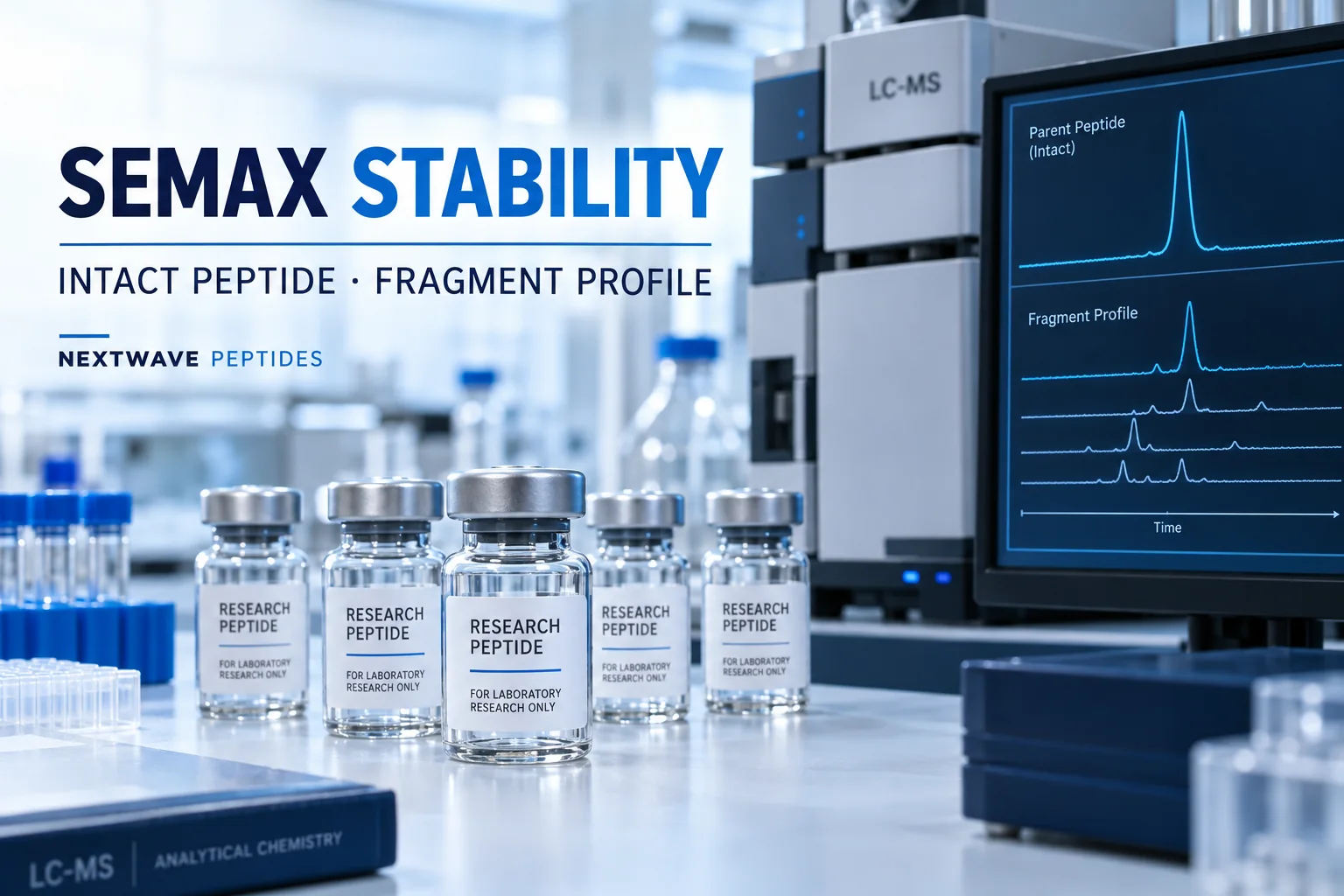 Semax Stability Studies: Why an Intact Peptide Signal Is Not the Same as a Fragment Profile
 ARA-290 and Erythropoietin-Derived Peptides: Why Receptor Names Need Evidence Labels
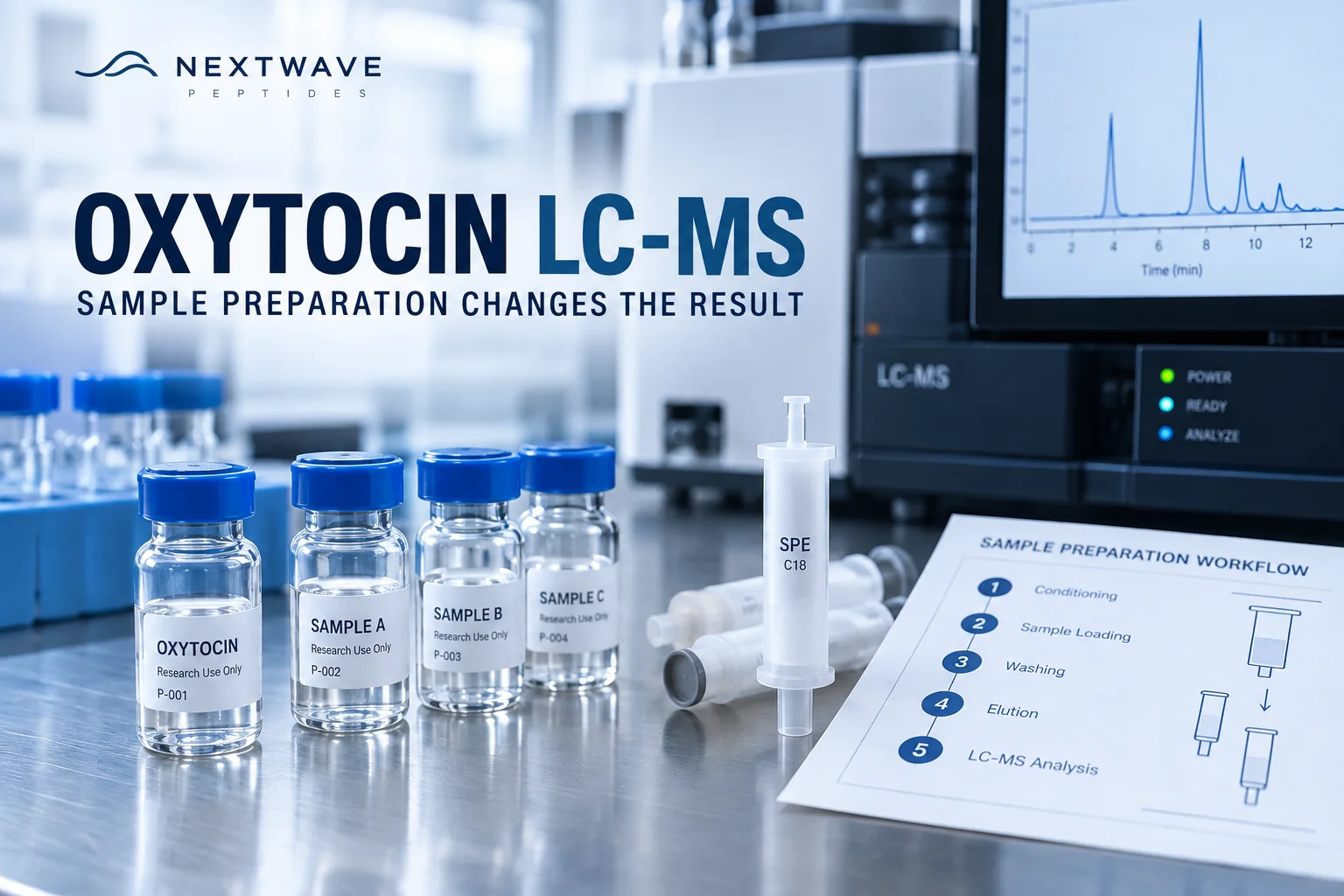 Oxytocin LC-MS Studies: Why Sample Preparation Is Part of the Result
 LL-37 Antimicrobial Assays: Why Salt, Medium, and Endpoint Change the Reading
 Can One HPLC Purity Percentage Describe a Four-Component Peptide Blend?
 What Does a Cell Wound-Closure Result Actually Show?
Visit Learn for definitions, compound overviews and documentation guides. Browse peptide collections for related materials and the COA Library for available product- and lot-specific records.
RESEARCH SUPPORT
Articles provide context and reinforce the main research pillar, calculator and analytical trust center.